When a patient deteriorates suddenly, there is no time for hesitation. Cardiac arrest, unstable arrhythmias, and acute stroke presentations demand rapid recognition and precise intervention. ACLS is designed for those moments. Advanced Cardiac Life Support is not simply a certification requirement. It is structured training that prepares healthcare professionals to lead and respond confidently during life threatening cardiovascular emergencies.
For nurses, physicians, paramedics, respiratory therapists, and clinical team leaders, ACLS strengthens the ability to assess, prioritize, and intervene under pressure. In high acuity environments, these skills are not optional. They are foundational to patient survival.
What ACLS Training Actually Teaches
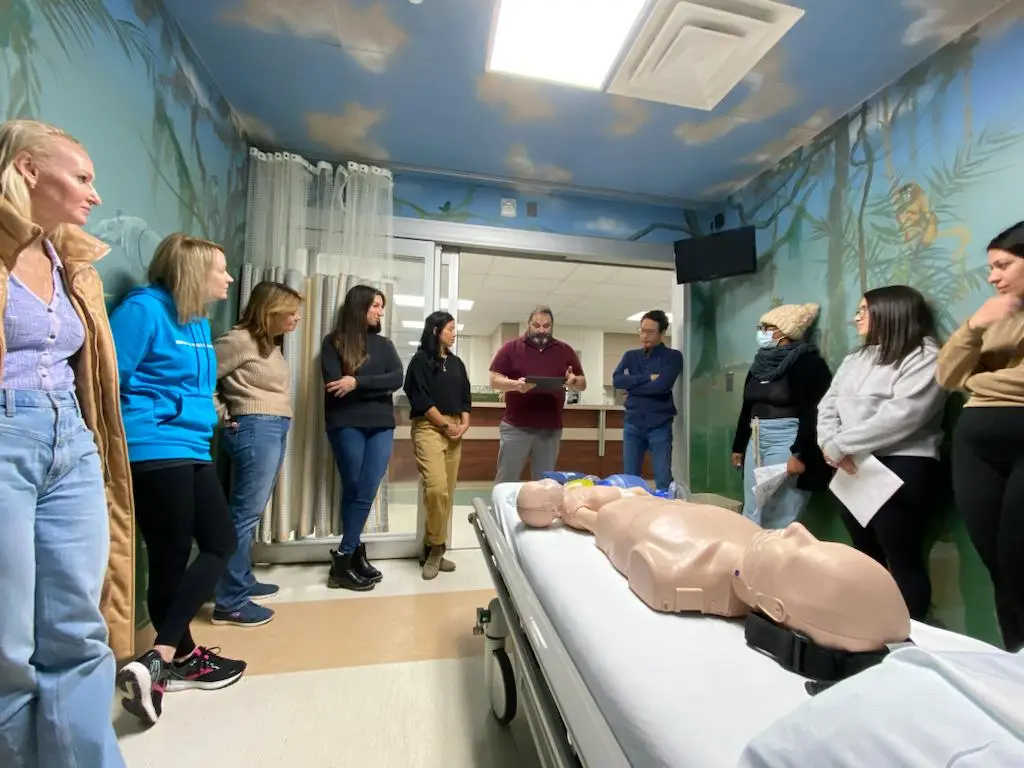
ACLS focuses on advanced assessment and management of cardiopulmonary emergencies. Unlike Basic Life Support, which emphasizes foundational resuscitation skills, ACLS integrates clinical reasoning, pharmacology, rhythm interpretation, and team coordination.
Participants learn to interpret electrocardiograms accurately, identify lethal arrhythmias, initiate appropriate pharmacologic interventions, and manage airway complications. The training also reinforces effective team dynamics, which is often the determining factor in successful resuscitation.
ACLS courses follow evidence-based guidelines established by the American Heart Association. These standards evolve as new research emerges. Healthcare professionals can review the official course structure through the American Heart Association eLearning portal.
The depth of ACLS education ensures that providers are prepared not only to respond but to lead during cardiac emergencies.
Why ACLS Matters in Modern Healthcare
Healthcare environments are increasingly complex. Patients present with multiple comorbidities, medication interactions, and unstable conditions. The margin for delayed recognition is narrow.
ACLS equips healthcare professionals with a systematic approach to acute cardiovascular events. This structured framework improves clarity during chaotic situations. Algorithms for ventricular fibrillation, pulseless electrical activity, bradycardia, and tachycardia provide guidance while reinforcing critical thinking.
More importantly, ACLS emphasizes early recognition. Rapid identification of deterioration allows intervention before arrest occurs. That proactive mindset is one of the most valuable aspects of Advanced Cardiac Life Support training.
Healthcare professionals who maintain ACLS certification demonstrate commitment to maintaining current knowledge and clinical readiness.
Who Needs ACLS Certification
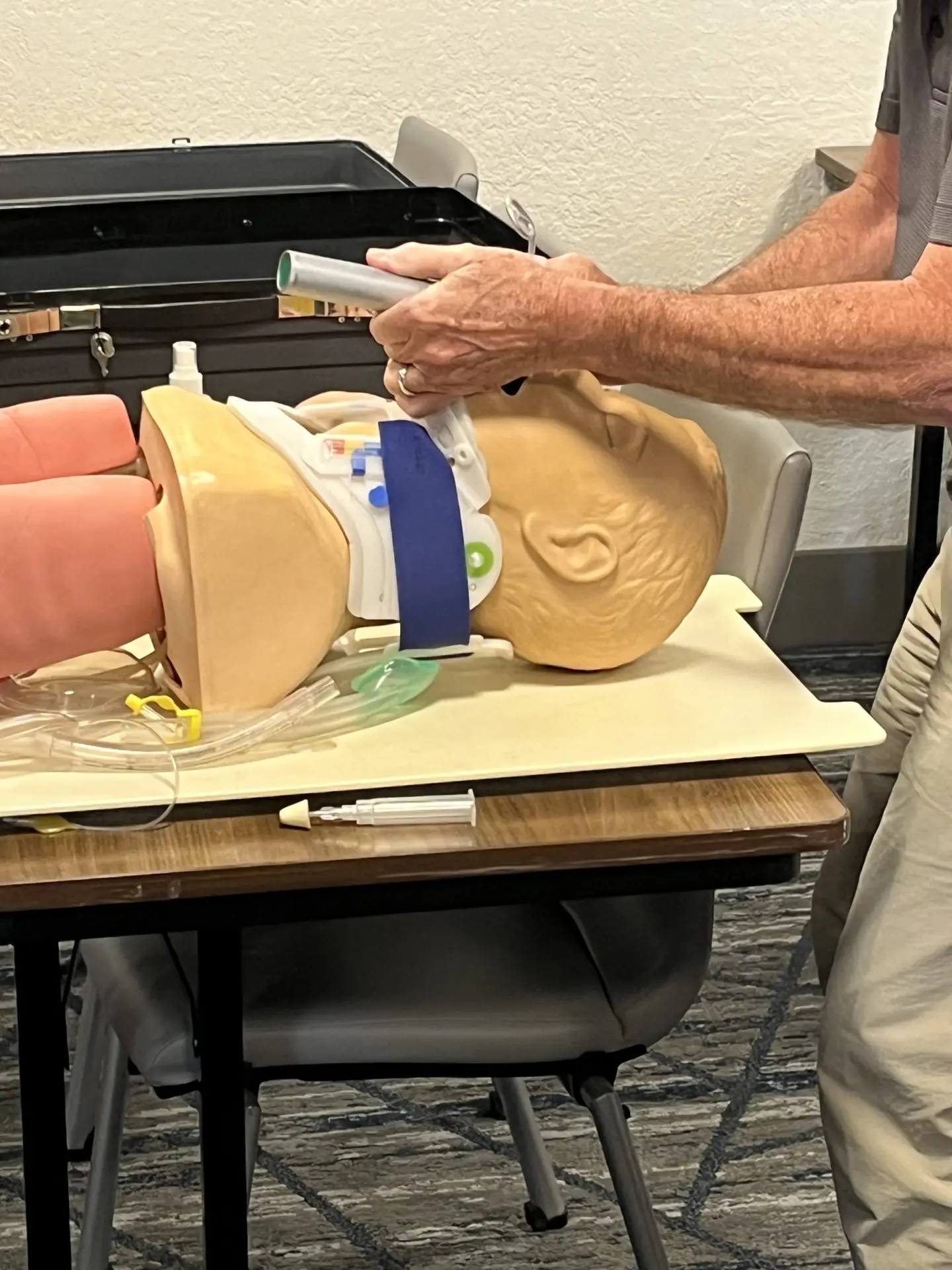
ACLS is typically required for healthcare professionals who manage or respond to cardiovascular emergencies. This includes emergency department staff, intensive care nurses, anesthesiology personnel, cardiac care providers, and rapid response teams.
However, many professionals outside critical care settings pursue ACLS to expand their competence and career opportunities. Clinical leaders and instructors also benefit from advanced cardiac training.
At CMEs Training Inc, ACLS certification is delivered in a structured environment designed for real clinical application. Course details and scheduling are available through the ACLS course page.
Providers seeking comprehensive training can also explore additional educational offerings and instructor courses.
What to Expect During an ACLS Course
ACLS training combines cognitive learning with hands-on application. Participants review cardiac rhythms, practice megacode scenarios, and demonstrate competency in pharmacologic management and airway support.
Simulation exercises are a critical component. They allow healthcare professionals to apply algorithms in realistic patient scenarios. These exercises reinforce both technical skill and communication under stress.
Course completion requires successful demonstration of competency. This ensures that ACLS certification reflects actual readiness rather than simple attendance.
Enrollment options are available directly through the official ACLS registration portal.
Maintaining ACLS and Continuing Education
ACLS certification is typically valid for two years. Renewal ensures that healthcare professionals remain aligned with updated guidelines and evolving standards of care.
Continuing education is essential in maintaining proficiency. Clinical knowledge can fade without reinforcement, particularly in high acuity skills that may not be used daily. Regular review strengthens recall and preserves confidence during emergencies.
CMEs Training Inc supports ongoing professional development not only through ACLS but also through broader educational resources. Providers can review additional information on our article about choosing the training center for healthcare professionals.
The Impact of ACLS on Patient Outcomes
Advanced Cardiac Life Support improves patient outcomes by standardizing response and reducing variability during emergencies. When every team member understands the algorithm and communicates clearly, interventions occur faster and more effectively.
Early defibrillation, timely medication administration, and coordinated airway management significantly influence survival rates. ACLS training reinforces these priorities and strengthens the overall performance of clinical teams.
Beyond the technical aspects, ACLS cultivates leadership. Healthcare professionals trained in Advanced Cardiac Life Support are prepared to guide teams during critical moments, maintaining composure and clarity when others may hesitate.
Choosing the Right ACLS Provider
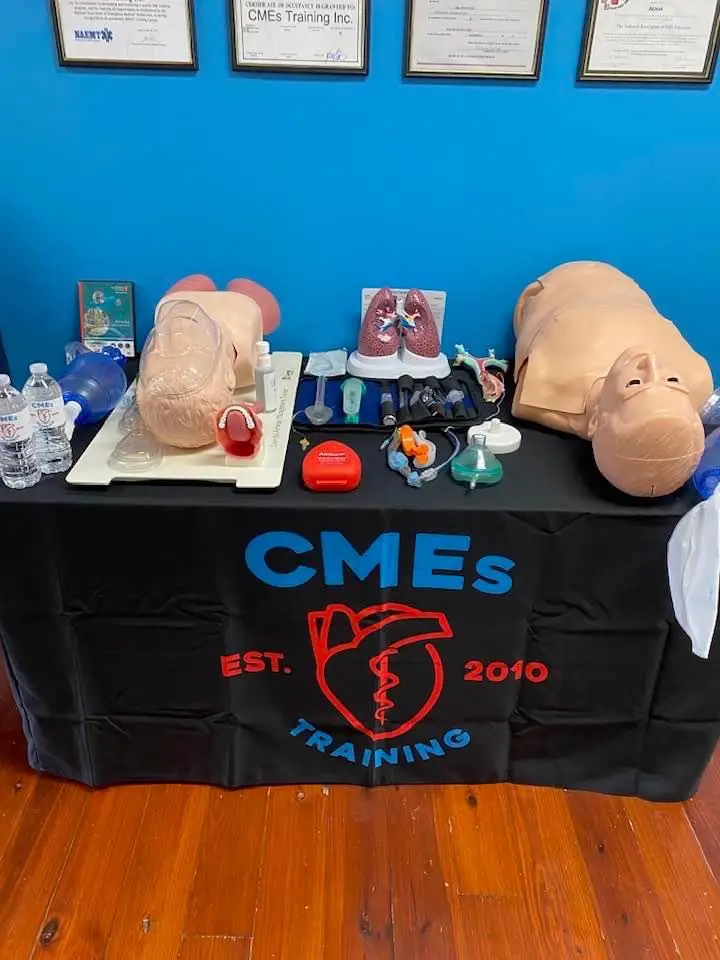
Not all ACLS courses offer the same level of instruction. Healthcare professionals should select a provider that emphasizes practical application, guideline adherence, and experienced instruction.
A reputable training center ensures compliance with American Heart Association standards while delivering meaningful clinical preparation. Communication, scheduling flexibility, and administrative clarity also contribute to a positive training experience.
CMEs Training Inc provides structured ACLS education designed to support competence, compliance, and clinical confidence. When seconds matter, preparation makes the difference.
Final Thoughts
ACLS is more than a course. It is advanced preparation for the most critical moments in healthcare. Advanced Cardiac Life Support strengthens clinical judgment, reinforces structured response, and enhances team coordination during cardiovascular emergencies.
For healthcare professionals committed to maintaining excellence in patient care, ACLS certification is an essential component of ongoing professional development.
CMEs Training Inc provides structured ACLS education designed to support competence, compliance, and clinical confidence. When seconds matter, preparation makes the difference.
Healthcare professionals who have questions about enrollment, course structure, or certification pathways can reach out directly through the CMEs Training Inc contact page.
Recent Comments