ASLS Training prepares healthcare professionals for one of the most time sensitive emergencies in medicine. When a patient suddenly develops difficulty speaking, facial weakness, vision changes, or an unexplained loss of coordination, the ability to recognize a possible stroke and respond appropriately becomes critical. Every minute spent identifying symptoms, communicating findings, and initiating the appropriate response can influence the patient’s treatment options and long term recovery.
Stroke emergencies rarely provide the luxury of time. A patient may arrive at an emergency department with subtle neurological changes, or a nurse may notice an unexpected decline in someone who appeared stable only minutes earlier. In these situations, healthcare professionals must recognize concerning findings, understand the urgency, and communicate effectively with the appropriate medical team.
Advanced Stroke Life Support, commonly known as ASLS, provides structured education designed to strengthen these essential clinical skills.
Through the American Heart Association’s collaboration with the University of Miami Gordon Center for Simulation and Innovation in Medical Education, healthcare professionals have access to a specialized educational program focused on stroke recognition, assessment, and management.
At CMEs Training Inc, ASLS education helps healthcare professionals develop the knowledge and practical skills needed to approach stroke emergencies with greater confidence and clinical awareness.
Why Stroke Emergencies Demand Immediate Recognition
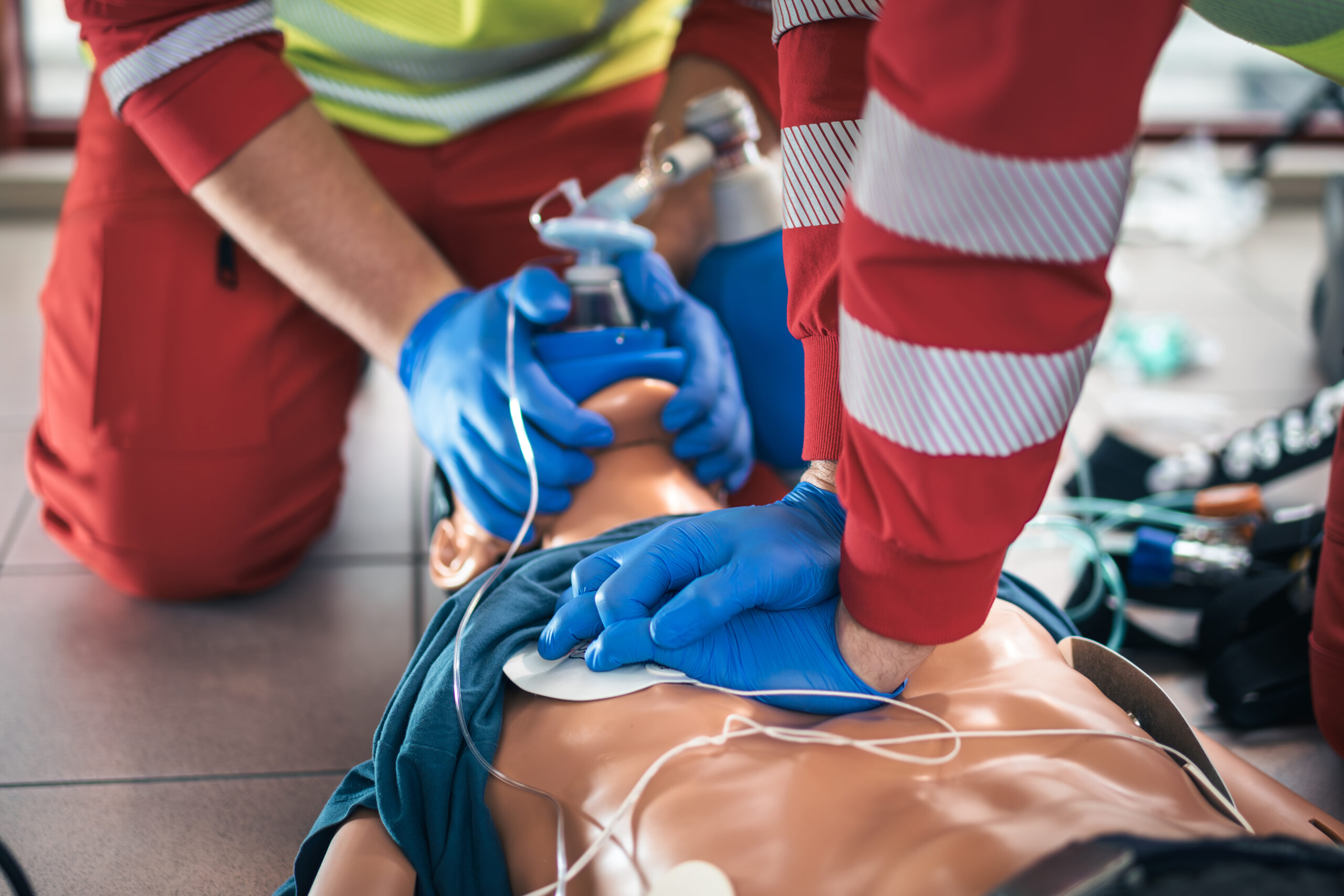
A stroke occurs when blood flow to part of the brain is interrupted or when bleeding develops within or around the brain. Both situations can cause neurological injury, but they require different medical approaches.
An ischemic stroke results from an obstruction that limits blood supply to brain tissue. A hemorrhagic stroke involves bleeding caused by a ruptured blood vessel.
Although symptoms may overlap, distinguishing between these conditions is essential because treatment decisions depend on the underlying cause.
The challenge for healthcare professionals is recognizing that a neurological emergency may be developing before its full severity becomes apparent.
Some patients experience sudden weakness on one side of the body. Others develop difficulty finding words, unexplained confusion, visual disturbances, or problems maintaining balance.
Not every stroke presents with dramatic symptoms.
A patient who suddenly becomes unable to coordinate a familiar movement or develops unusual speech patterns may be experiencing a serious neurological event even when other vital signs appear relatively stable.
Early recognition allows healthcare professionals to activate appropriate stroke protocols, initiate essential assessments, and facilitate timely evaluation.
The American Heart Association’s Advanced Stroke Life Support program emphasizes the importance of preparing healthcare professionals to identify, evaluate, and manage patients experiencing stroke.
ASLS Training Strengthens Clinical Assessment Skills
Recognizing a possible stroke requires more than identifying one familiar symptom. Healthcare professionals must evaluate neurological findings systematically while considering the patient’s overall condition.
ASLS Training reinforces a structured approach to stroke assessment that helps providers identify neurological deficits and communicate their observations accurately.
During an emergency, important information can be overlooked when several clinical activities occur simultaneously. A consistent assessment process helps reduce that risk.
For example, a patient experiencing sudden weakness may also have an abnormal blood glucose level, altered mental status, or another condition that produces symptoms resembling stroke.
Healthcare professionals must understand the importance of evaluating potential stroke mimics while maintaining an appropriate level of urgency.
Training also emphasizes the value of determining when symptoms began or when the patient was last known to be at their neurological baseline.
This information is particularly important because eligibility for certain stroke treatments depends on multiple clinical factors, including symptom timing and diagnostic findings.
Rather than relying on assumptions, healthcare professionals learn to collect relevant information and communicate it clearly to the treating team.
The goal is not simply to identify an abnormal neurological finding. It is to recognize its potential significance and support the next appropriate step in patient care.
Understanding the American Heart Association and University of Miami Collaboration
The development of Advanced Stroke Life Support represents an important advancement in specialized stroke education.
The American Heart Association partnered with the University of Miami’s Gordon Center for Simulation and Innovation in Medical Education to develop an educational program addressing stroke recognition and management across healthcare environments.
The collaboration brings together expertise in stroke medicine, emergency care, nursing education, and clinical simulation.
According to the University of Miami Gordon Center, Advanced Stroke Life Support is designed to support healthcare professionals involved in both hospital and prehospital stroke care.
This broad approach recognizes that successful stroke management depends on coordinated care across multiple clinical settings.
A patient may initially encounter an emergency medical team, followed by emergency department nurses, physicians, imaging specialists, neurologists, and other healthcare professionals.
Each individual contributes to the patient’s assessment, treatment, and recovery.
When these professionals share a consistent understanding of stroke recognition and response, communication becomes more effective and unnecessary delays may be reduced.
The ASLS curriculum supports this coordinated approach by reinforcing common assessment principles and emphasizing the importance of timely clinical decision making.
The Importance of Recognizing Stroke Symptoms Beyond FAST
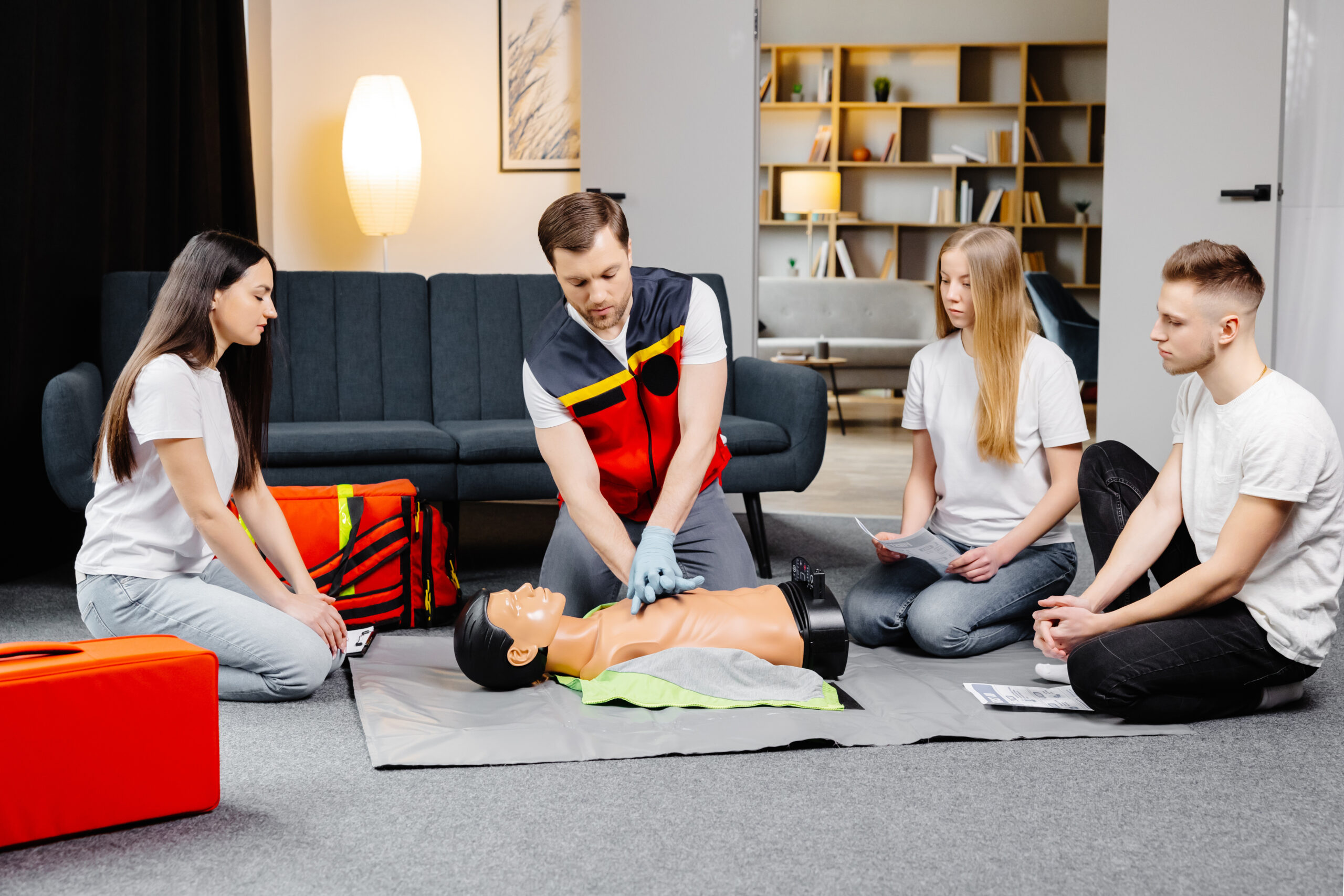
Many healthcare professionals are familiar with FAST, which highlights facial drooping, arm weakness, speech difficulty, and the importance of time.
This approach provides a valuable foundation for identifying common stroke symptoms.
However, stroke presentations can involve additional neurological changes that require careful attention.
Sudden balance difficulties, visual disturbances, severe coordination problems, or changes in consciousness may indicate neurological involvement that is not fully captured by the traditional FAST assessment.
Healthcare professionals must also recognize that some strokes affect areas of the brain responsible for balance, vision, and coordination rather than producing obvious weakness.
For example, a patient experiencing a posterior circulation stroke may report sudden dizziness, difficulty walking, or double vision.
These symptoms can resemble other medical conditions, making a thorough assessment particularly important.
ASLS education helps healthcare professionals develop a broader understanding of stroke presentations and the importance of using appropriate neurological assessment tools.
This knowledge can be especially valuable in emergency departments, intensive care units, hospital floors, and other environments where changes in neurological status must be recognized promptly.
How ASLS Training Builds Confidence Through Practical Skills
Clinical confidence develops when healthcare professionals understand what they are assessing and have opportunities to demonstrate their knowledge.
Reading about neurological assessment is valuable, but applying those principles during a simulated emergency creates a different learning experience.
The ASLS Provider Course uses a blended learning format that includes required educational preparation followed by an instructor led practical skills component.
During the practical portion, participants demonstrate neurological assessment skills and apply their knowledge to simulated stroke presentations.
The process reinforces the importance of identifying abnormal findings, selecting appropriate responses, and communicating clinical information effectively.
At CMEs Training Inc, healthcare professionals can explore the available ASLS Provider and Instructor courses designed around the American Heart Association curriculum.
The ASLS Provider course includes prehospital, hospital, and combined learning tracks.
Participants can select the track most relevant to their professional responsibilities, allowing the educational experience to reflect the environments in which they provide patient care.
The practical skills component provides an opportunity to demonstrate assessment techniques under instructor supervision.
This approach helps connect clinical knowledge with practical application, an important part of preparing healthcare professionals for emergencies that demand immediate attention.
Why Communication Matters During Stroke Emergencies
Stroke response is rarely the responsibility of one healthcare professional.
Effective care requires coordination among individuals who may have different responsibilities but share the same objective of identifying the problem and facilitating timely treatment.
Consider a patient who develops sudden speech difficulty while recovering from an unrelated medical procedure.
The first healthcare professional to notice the change must recognize its potential significance.
The next step may involve notifying the appropriate clinical team, determining the patient’s last known well time, assessing relevant clinical findings, and preparing for urgent diagnostic evaluation.
If communication is incomplete, essential information may be delayed or misunderstood.
A structured stroke response helps healthcare professionals communicate findings in a manner that supports clinical decision making.
Important details include the nature of the neurological changes, the timing of symptom onset, relevant medical history, and the results of the initial assessment.
ASLS education reinforces the importance of recognizing these details and understanding how they influence the broader stroke response process.
Confidence during a neurological emergency is not simply the ability to perform an assessment. It also involves knowing when to escalate concerns and how to communicate findings effectively.
ASLS Training for Nurses and Healthcare Professionals
Stroke emergencies can occur in nearly every area of healthcare.
Although emergency departments and stroke units regularly manage neurological emergencies, healthcare professionals working in other environments may also be among the first to recognize concerning symptoms.
A nurse caring for a patient following surgery may identify sudden confusion or weakness.
A respiratory therapist may observe unexpected neurological changes while assisting with respiratory care.
A physician assistant or physician may encounter a patient whose initial complaint appears unrelated to a neurological emergency.
Even experienced healthcare professionals benefit from specialized education that reinforces systematic assessment and current stroke response principles.
ASLS Training is relevant to healthcare professionals involved in recognizing, evaluating, and managing acute stroke patients.
This includes nurses, physicians, physician assistants, respiratory therapists, emergency department personnel, critical care professionals, and other members of the healthcare team.
The program also supports professionals who participate in coordinated stroke response systems.
Healthcare professionals interested in selecting educational programs that strengthen practical clinical skills can review the guide to choosing a training center for healthcare professionals.
Selecting appropriate education should involve considering course relevance, instructional quality, clinical application, and opportunities to demonstrate competency.
ASLS Provider and Instructor Courses Support Professional Development
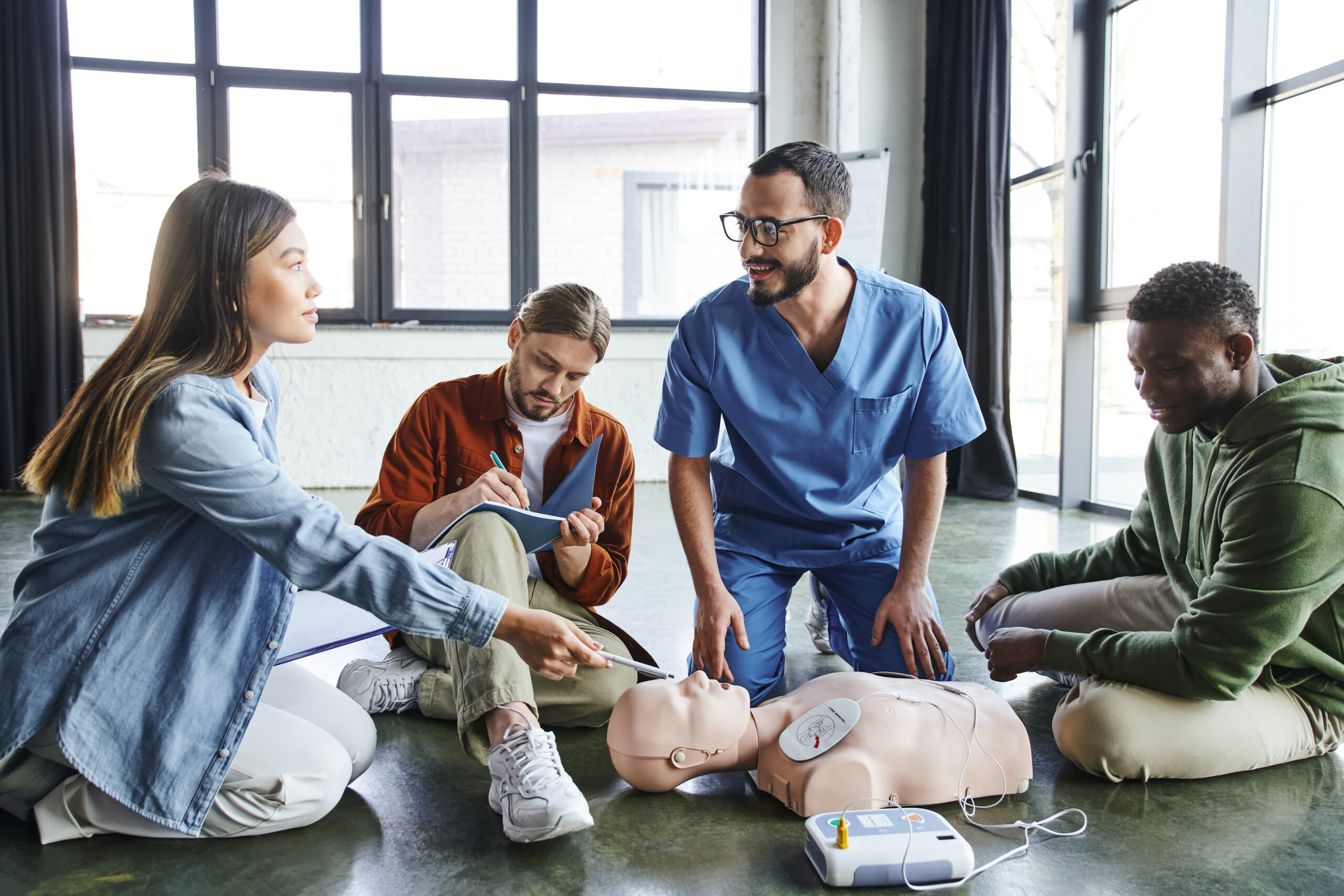
Advanced Stroke Life Support offers educational opportunities for healthcare professionals who want to strengthen their own clinical knowledge and those interested in teaching stroke response principles to others.
The ASLS Provider Course focuses on identifying, evaluating, and managing patients experiencing stroke.
Participants complete the required educational component before attending the instructor led practical skills session.
The practical portion includes assessment demonstrations and simulated patient scenarios designed to evaluate the application of stroke recognition and management principles.
For experienced healthcare professionals interested in advancing their educational responsibilities, the ASLS Instructor Course provides another professional development pathway.
Instructor candidates must meet specific prerequisites, including holding a current ASLS Provider card and completing the required Instructor Essentials preparation.
Instructor candidates must also meet applicable training center alignment requirements.
The instructor pathway is intended for qualified professionals who want to help educate others in standardized stroke recognition and response.
By developing additional instructors, healthcare organizations can support continued access to stroke education and reinforce consistent clinical practices.
At CMEs Training Inc, healthcare professionals can review available ASLS educational opportunities and determine which course aligns with their professional goals.
The Role of Continuing Medical Education in Stroke Readiness
Healthcare education should extend beyond meeting professional renewal requirements.
Medical knowledge continues to evolve as research improves the understanding of stroke recognition, diagnostic evaluation, and treatment.
Healthcare professionals must remain familiar with current clinical practices while maintaining the assessment skills needed to respond appropriately during emergencies.
Continuing Medical Education provides opportunities to reinforce established knowledge, address areas of uncertainty, and improve confidence in clinical responsibilities.
For stroke response, this preparation is particularly important because the consequences of delayed recognition can be significant.
A healthcare professional may not encounter an acute stroke every day, but when one occurs, the expectation is that concerning symptoms will be recognized and appropriate action initiated.
Regular education helps maintain awareness of neurological assessment principles and the importance of coordinated response.
The value of ASLS extends beyond completing a course. It supports the development of clinical judgment that can be applied when unexpected neurological changes occur.
Preparing for Stroke Emergencies Before They Happen
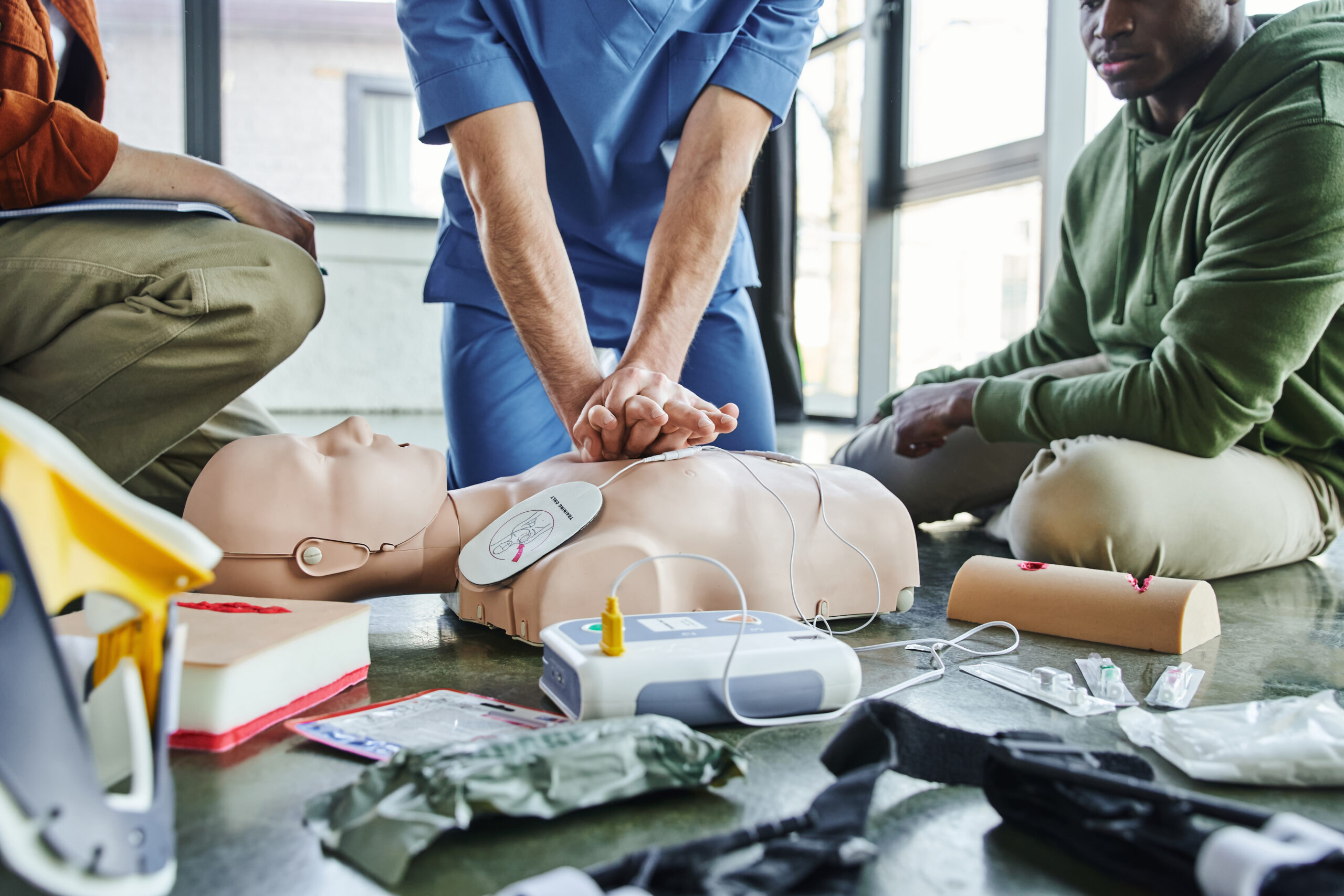
One of the most important lessons in emergency medicine is that preparation must occur before the emergency begins.
Healthcare professionals cannot predict when a patient will experience a stroke.
They can, however, prepare to recognize warning signs, perform appropriate assessments, and participate effectively in the response process.
Consider the difference between encountering an unfamiliar neurological presentation and recognizing a pattern previously practiced during training.
The second situation does not eliminate the complexity of the emergency, but it can provide a stronger foundation for organized assessment and communication.
Practical education allows healthcare professionals to become more familiar with the sequence of evaluating symptoms, identifying concerning findings, and communicating the need for additional care.
It also reinforces the importance of recognizing personal limitations and involving the appropriate specialists.
Confidence should never replace careful clinical judgment.
Instead, meaningful confidence comes from preparation, practice, and understanding the importance of following established clinical protocols.
ASLS Training helps support this approach by combining structured stroke education with opportunities to demonstrate practical assessment skills.
Strengthen Your Stroke Response Skills With ASLS Training
Stroke emergencies require immediate recognition, organized assessment, and effective communication.
Healthcare professionals must be prepared to identify neurological changes, recognize the potential seriousness of those findings, and support the appropriate clinical response.
ASLS Training provides specialized education that strengthens these essential responsibilities.
Through the collaboration between the American Heart Association and the University of Miami Gordon Center, Advanced Stroke Life Support offers a structured approach to stroke education for healthcare professionals working across different clinical environments.
The combination of educational preparation and instructor led skills assessment helps participants connect clinical knowledge with practical application.
For healthcare professionals interested in improving their readiness for neurological emergencies, ASLS represents an opportunity to develop greater confidence in stroke recognition and response.
CMEs Training Inc offers ASLS Provider and Instructor educational opportunities for healthcare professionals seeking to strengthen their knowledge and practical skills.
To learn more about available courses, upcoming class dates, or enrollment requirements, contact the CMEs Training Inc team and take the next step toward stronger stroke response preparation.
Recent Comments