When a patient stops breathing or loses a pulse, there is no time to think about what to do next. Basic Life Support must become automatic. BLS is the foundation of emergency response in healthcare. It is the skill set that stabilizes a patient long enough for advanced interventions to begin.
For nurses, medical assistants, physicians, dental professionals, respiratory therapists, and clinical staff, BLS certification is not just a requirement. It is a responsibility. Every compression, every airway maneuver, every coordinated team effort can determine survival.
At CMEs Training Inc, BLS education is built around practical, hands-on instruction that reinforces competence and confidence in real patient care settings.
What BLS Really Covers
BLS focuses on high quality cardiopulmonary resuscitation, early defibrillation, airway management, and team coordination. The training emphasizes immediate recognition of cardiac arrest, activation of emergency response systems, and consistent chest compressions delivered with proper depth and rate.
Healthcare professionals learn to assess responsiveness, identify abnormal breathing, and initiate compressions without delay. The use of automated external defibrillators is practiced repeatedly to ensure familiarity under pressure.
BLS training also strengthens teamwork. Clear communication, defined roles, and coordinated response improve outcomes during emergencies. These structured responses reduce hesitation and variability in care.
Why BLS Skills Must Be Practiced In Person
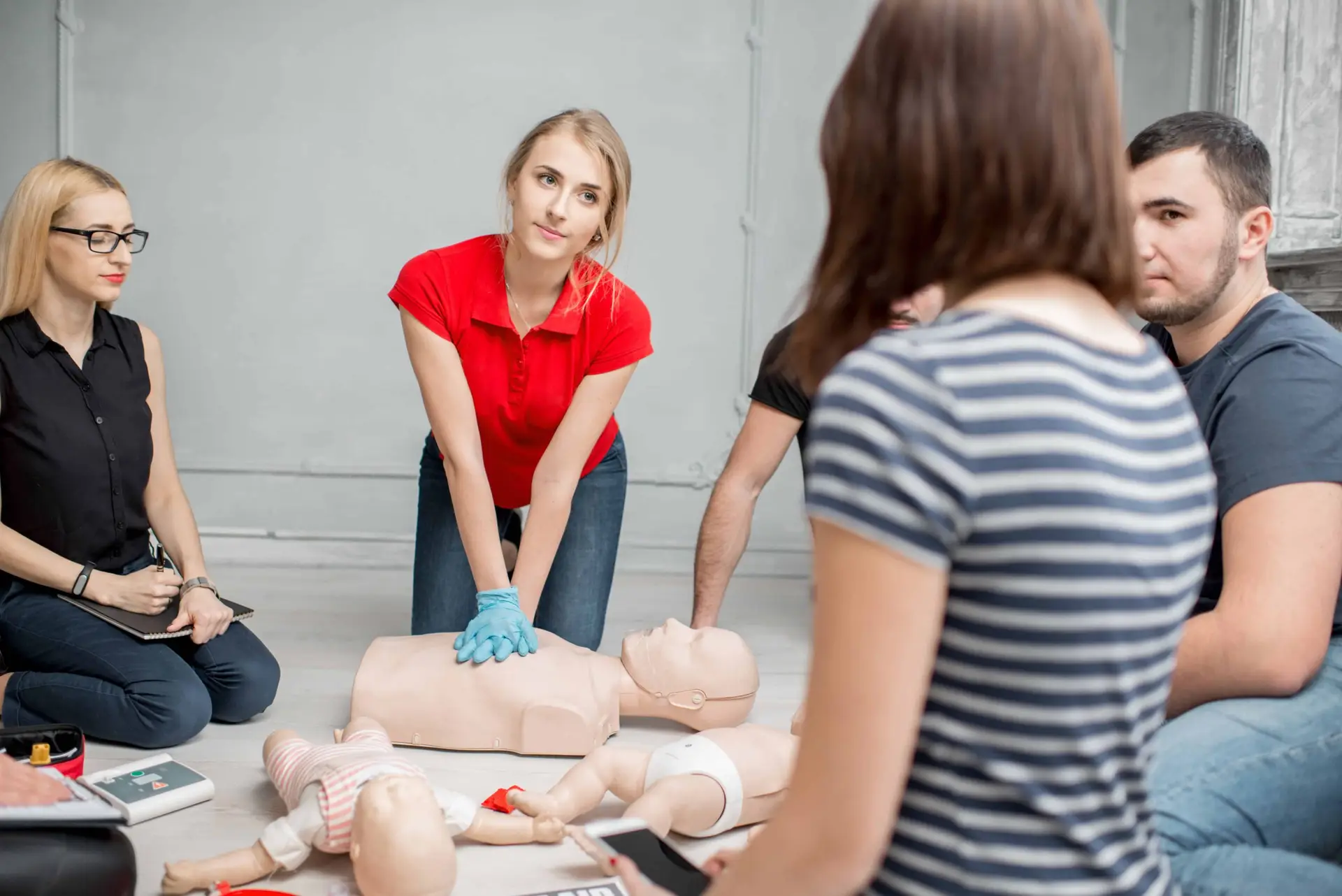
Life saving skills require muscle memory. Reading about compressions is not the same as performing them. Observing an airway technique is not the same as securing one under supervision.
Hands on BLS training ensures that healthcare professionals understand proper body mechanics, compression depth, recoil, ventilation technique, and rhythm transitions. Instructors provide immediate correction to prevent poor habits from developing.
Simulation manikins allow participants to experience realistic scenarios. This repetition strengthens recall and reinforces confidence when emergencies occur in real clinical environments.
At CMEs Training Inc, BLS courses are conducted in a structured classroom setting that prioritizes skill demonstration and competency verification.
Healthcare professionals can learn more about available BLS (CPR) programs directly at CMEs Training Inc’s schedule.
Who Needs BLS Certification
BLS certification is required for most healthcare professionals who provide direct patient care. Hospitals, outpatient facilities, long-term care centers, dental offices, and surgical centers require current certification.
Nursing students and allied health students must often complete BLS before entering clinical rotations. Instructors and supervisors must maintain active certification as part of regulatory compliance.
Even professionals who do not routinely respond to emergencies benefit from BLS training. Emergencies are unpredictable. Preparedness ensures that immediate action can be taken without waiting for specialized teams.
The Clinical Importance of High Quality CPR
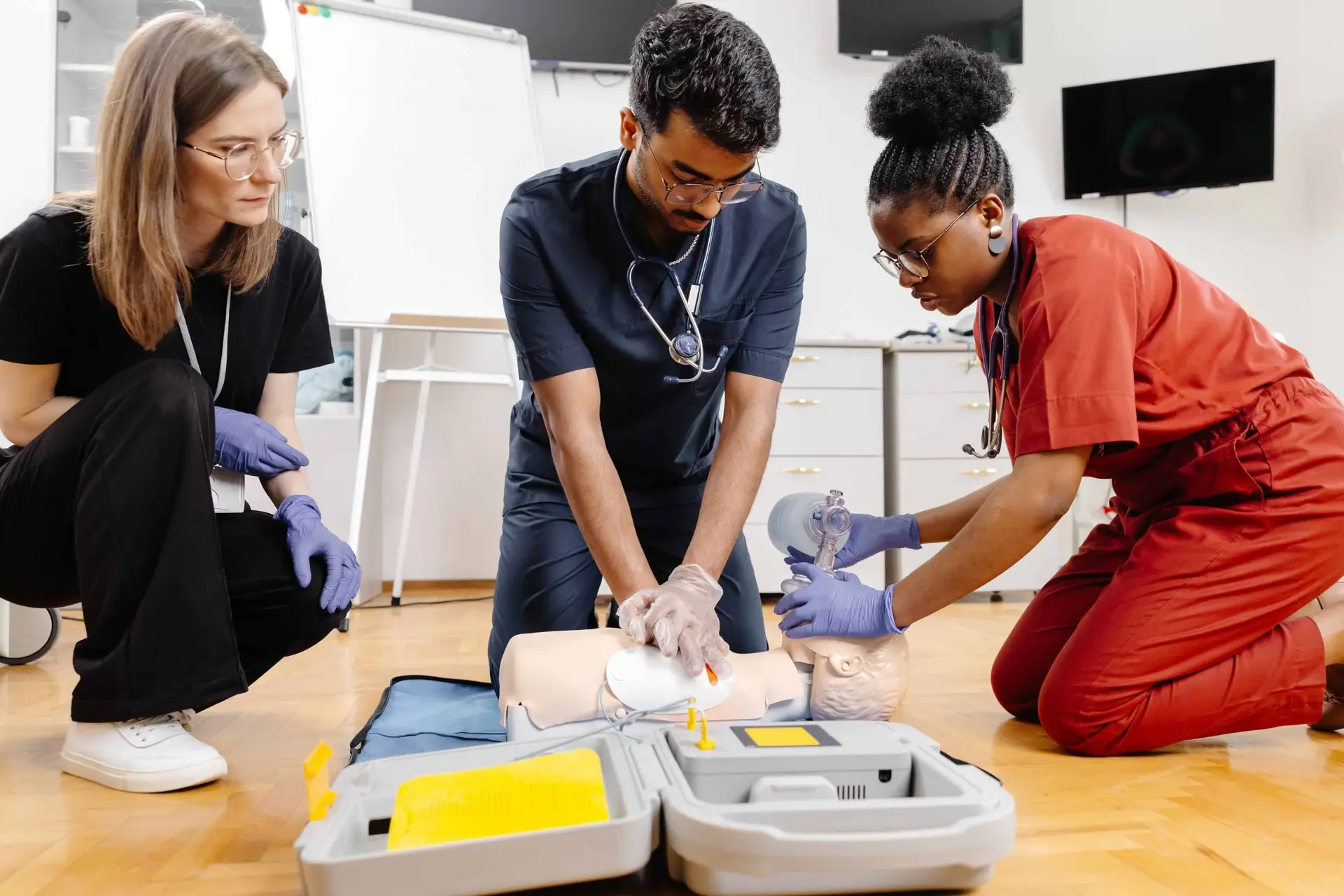
Research consistently demonstrates that high quality CPR significantly improves survival rates during cardiac arrest. Compressions delivered at the correct depth and rate maintain blood flow to vital organs while advanced care is mobilized.
According to the American Heart Association, immediate and effective CPR can double or even triple survival rates in certain out-of-hospital cardiac arrest situations.
The difference between effective and ineffective CPR is measurable. BLS training reinforces proper technique and corrects common errors such as shallow compressions or excessive ventilation.
BLS and Professional Responsibility
Healthcare professionals carry an ethical obligation to maintain competence in foundational life-saving skills. BLS is not advanced medicine, but it is essential medicine.
Maintaining current certification demonstrates commitment to patient safety and professional standards. It reassures employers, colleagues, and patients that the provider is prepared for emergencies.
CMEs Training Inc serves as a trusted training center for healthcare professionals seeking structured, compliant education. Additional information about the training environment and professional programs can be reviewed in our recent blog.
What to Expect During a BLS Course
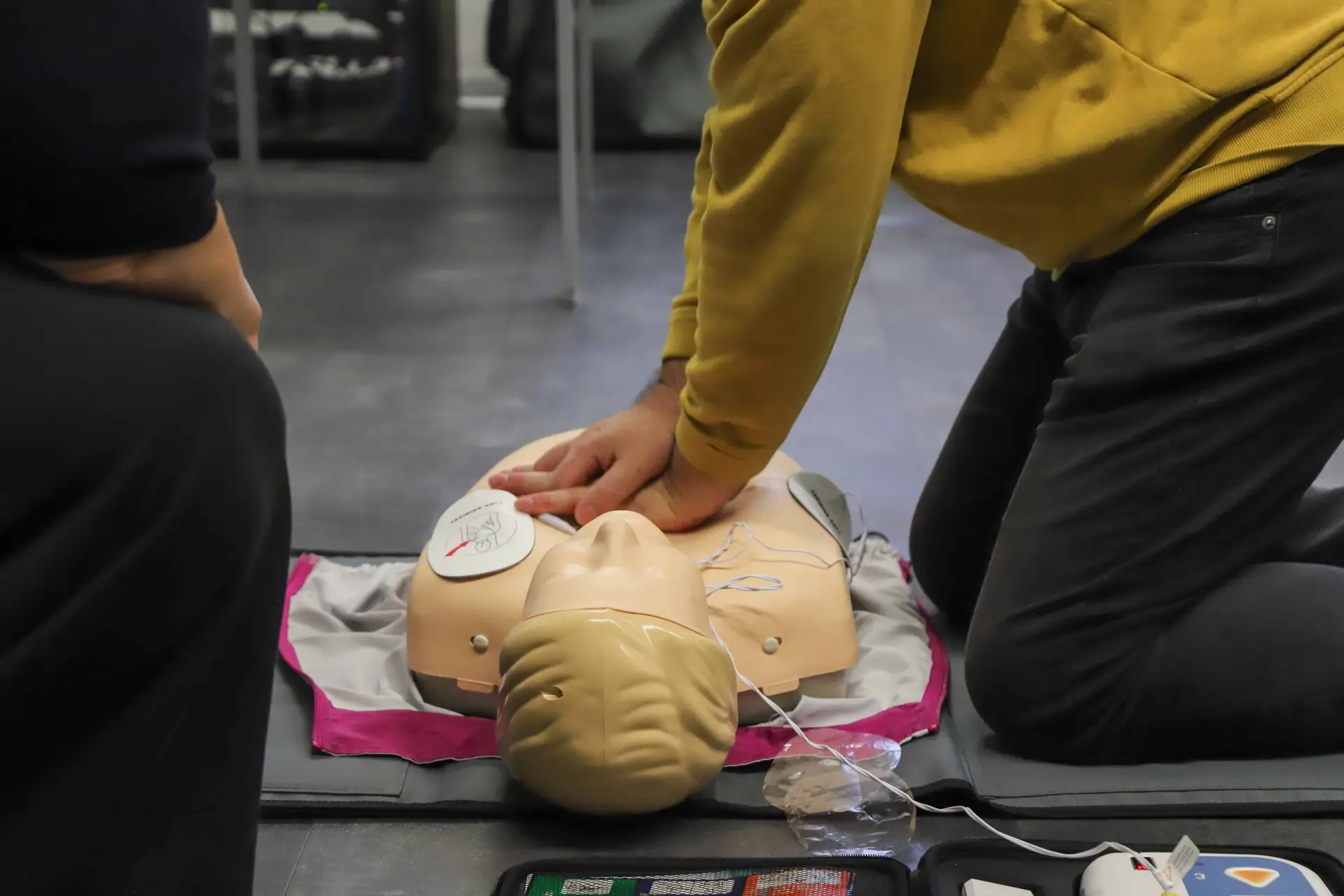
Participants in a BLS course engage in both cognitive review and practical skills testing. The classroom environment promotes active participation rather than passive listening.
Learners rotate through compression practice, airway management drills, and team response scenarios. Instructors evaluate technique and provide individualized feedback.
Successful completion requires demonstration of competency. Certification reflects the ability to perform, not just attendance.
Enrollment options and upcoming class schedules are available through CMEs Training Inc. Healthcare professionals who are ready to register or need additional information can connect directly with our team through our contact us page.
Maintaining BLS Certification
BLS certification is typically valid for two years. Renewal ensures that healthcare professionals remain aligned with updated guidelines and best practices. Healthcare professionals certified through the American Heart Association are required to renew their BLS certification every two years to maintain compliance and ensure continued alignment with current evidence-based guidelines.
Skills can degrade over time without reinforcement. Regular retraining strengthens memory pathways and refreshes technique. Healthcare environments evolve, and guidelines may be updated to reflect new evidence. By maintaining active BLS certification, providers ensure readiness when it matters most.
Why Choose CMEs Training Inc for BLS
Selecting a training provider should involve more than convenience. Quality instruction, experienced educators, structured curriculum, and professional administration all contribute to a meaningful learning experience.
CMEs Training Inc delivers BLS training grounded in current standards and practical application. The classroom environment supports skill mastery, not rushed completion.
Healthcare professionals benefit from an organized training center that values competence, compliance, and patient safety.
Conclusion
BLS is the foundation of emergency response in healthcare. When cardiac arrest occurs, immediate and effective action determines outcome. There is no substitute for preparation.
Through hands-on instruction and structured evaluation, BLS certification strengthens readiness and professional confidence. Healthcare professionals who maintain active BLS credentials demonstrate commitment to excellence and patient safety.
CMEs Training Inc provides comprehensive BLS training designed to prepare providers for real world emergencies. When every second counts, preparation makes the difference.
Recent Comments