A child in respiratory distress can deteriorate quickly, and the warning signs do not always look the same as they would in an adult. Heart rate, respiratory rate, blood pressure, airway anatomy, medication dosing, and even the causes that lead to cardiac arrest change with age and development. For healthcare professionals, responding effectively means understanding those differences before an emergency occurs.
That is where PALS becomes essential. Pediatric Advanced Life Support prepares healthcare professionals to recognize and manage critically ill infants and children using a systematic approach built specifically around pediatric patients. The goal is not simply to memorize an algorithm. It is to recognize deterioration early, understand what the child’s condition is communicating, and intervene before a potentially reversible problem becomes a life-threatening emergency.
At CMEs Training Inc, PALS training combines clinical instruction with hands-on skills stations and scenario-based discussion so healthcare professionals can develop the knowledge and practical skills needed to care for critically ill pediatric patients.
Why Pediatric Emergencies Are Different
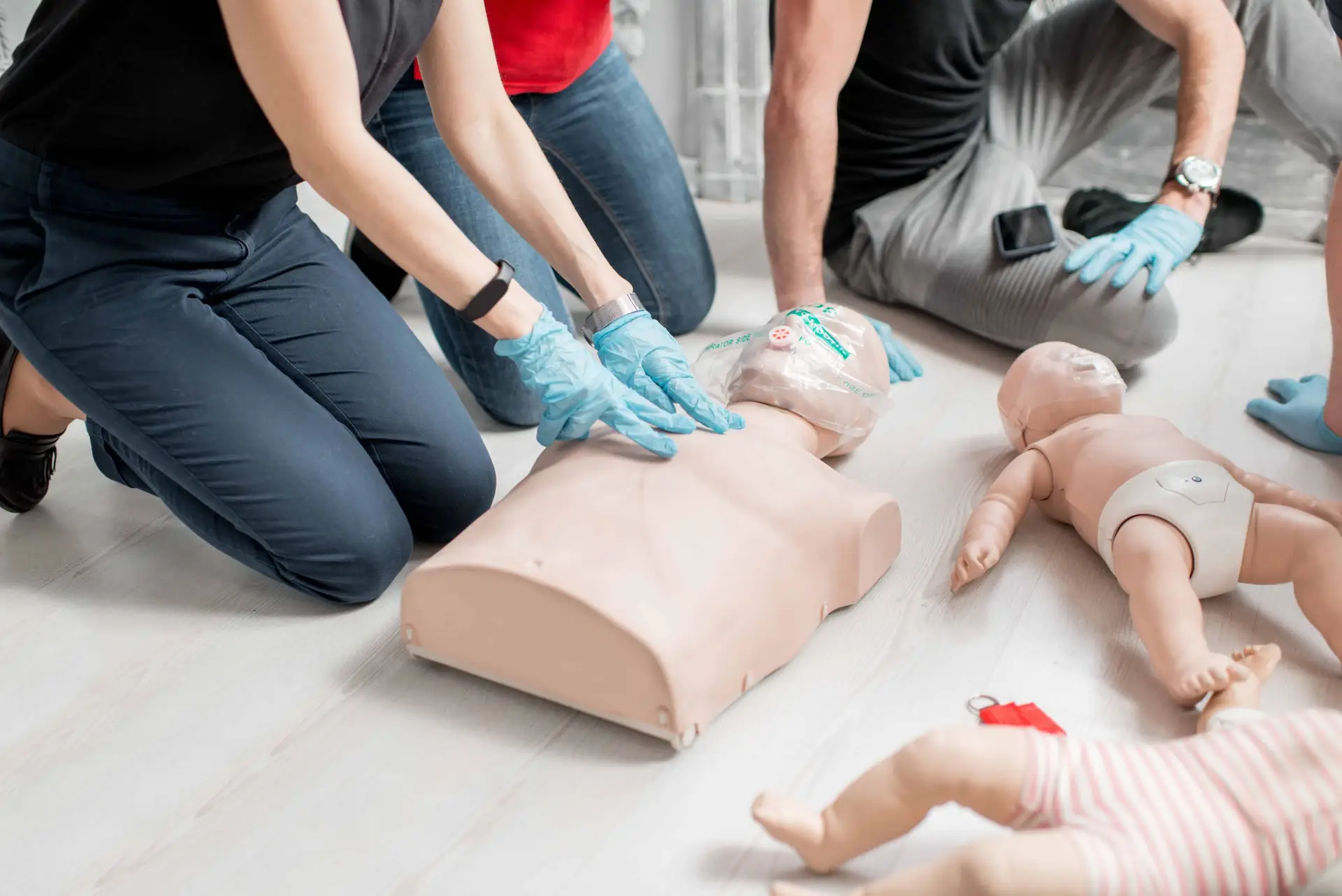
One of the most important lessons in PALS is that children are not simply smaller adults. Their physiology, anatomy, and patterns of deterioration require a different approach to assessment and treatment.
In adults, cardiac emergencies are often associated with a primary cardiac event. Pediatric cardiac arrest frequently develops differently. Respiratory failure and shock can progress to cardiopulmonary arrest, making early recognition especially important. The current American Heart Association pediatric guidelines address care across the period before arrest, during arrest, and following cardiac arrest, with specific attention to ventilation, airway management, shock, arrhythmias, medication dosing, and other pediatric considerations.
This changes how healthcare professionals need to think. Recognizing respiratory distress before it progresses to respiratory failure, for example, may give the clinical team an opportunity to intervene before the child reaches a much more dangerous state.
PALS training helps providers develop that pediatric perspective instead of relying solely on approaches learned for adult patients.
PALS Builds a Systematic Approach to Pediatric Assessment
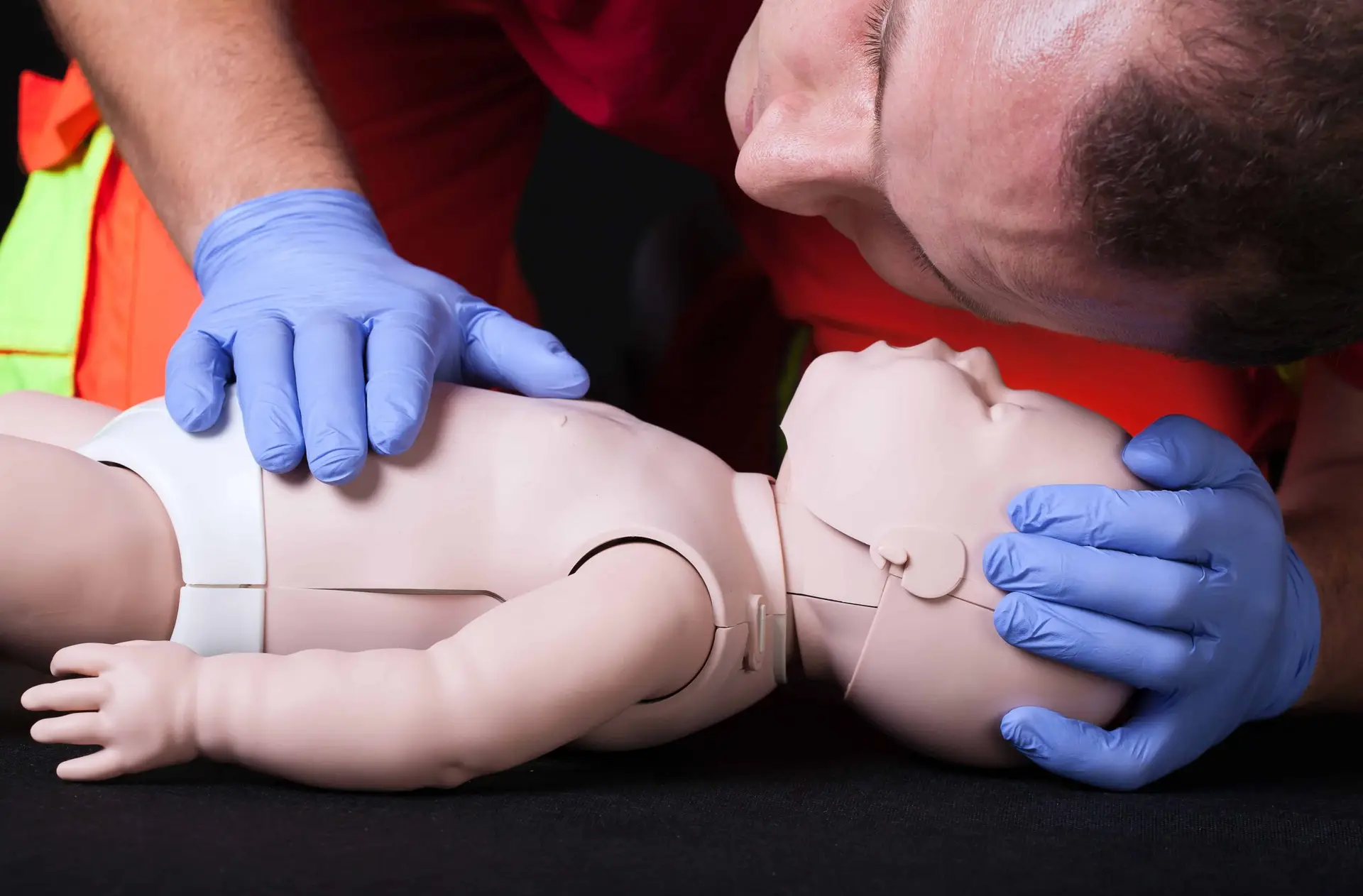
A pediatric emergency can become overwhelming when several clinical findings are changing at once. A systematic assessment gives healthcare professionals a framework for determining what requires immediate attention and what intervention should come next.
The PALS course at CMEs Training Inc specifically includes the systematic approach to pediatric assessment as well as respiratory and airway management. The course is designed to give healthcare professionals the information and skills necessary to treat critically ill infants and children with the goal of improving outcomes.
The American Heart Association PALS curriculum similarly emphasizes recognizing which pediatric patients require immediate intervention, differentiating respiratory distress from respiratory failure, identifying compensated and decompensated shock, and distinguishing stable from unstable patients experiencing arrhythmias.
These distinctions matter because the right intervention depends on correctly identifying what is happening. A provider who recognizes the progression of respiratory compromise or shock early has an opportunity to act before the clinical picture becomes more severe.
Respiratory Emergencies Deserve Special Attention
Respiratory problems are a major focus of pediatric emergency care, which makes airway and breathing assessment an important component of PALS.
Children have anatomical and physiological differences that affect airway management and ventilation. A provider must be able to identify whether a child is experiencing respiratory distress or has progressed to respiratory failure and then determine the appropriate intervention.
PALS allows healthcare professionals to work through these situations in a structured setting. At CMEs Training Inc, hands-on skills stations and scenario-based discussions are incorporated into the course rather than relying exclusively on classroom explanation.
That practical component matters. Knowing a concept and applying it while evaluating a changing pediatric patient are different skills. Scenario-based training gives providers an opportunity to connect clinical findings with the decisions they may eventually need to make in patient care.
Shock Can Look Different Before It Becomes Obvious
Pediatric shock is another area where early recognition can make a significant difference. A child may compensate for circulatory compromise before hypotension becomes apparent, which means providers need to recognize earlier clinical indicators rather than waiting for a dramatic change in blood pressure.
The American Heart Association PALS Provider Course teaches healthcare professionals to differentiate compensated shock from decompensated shock and apply early interventions. It also addresses respiratory emergencies, arrhythmias, cardiopulmonary arrest, and post cardiac arrest management.
Understanding this progression reinforces one of the central principles behind PALS training: effective pediatric emergency care depends heavily on recognition. Treatment matters, but recognizing the problem early enough to intervene is equally important.
PALS Is About Team Performance Too
A pediatric emergency rarely involves only one healthcare professional. Nurses, physicians, respiratory therapists, emergency personnel, and other members of the clinical team may all have responsibilities during the response.
That makes communication and team dynamics a critical part of PALS.
During a high-stress event, unclear roles or poor communication can interfere with an otherwise knowledgeable team. PALS training reinforces coordinated response by helping participants practice how clinical decisions, interventions, and communication fit together.
The American Heart Association specifically identifies high-performance team dynamics as part of the PALS course, alongside high-quality individual skills.
For healthcare professionals, this is an important distinction. Clinical competence is not limited to knowing what medication or intervention an algorithm calls for. It also means functioning effectively as part of a team when several tasks need to happen quickly and accurately.
Hands-On PALS Training Connects Knowledge With Action
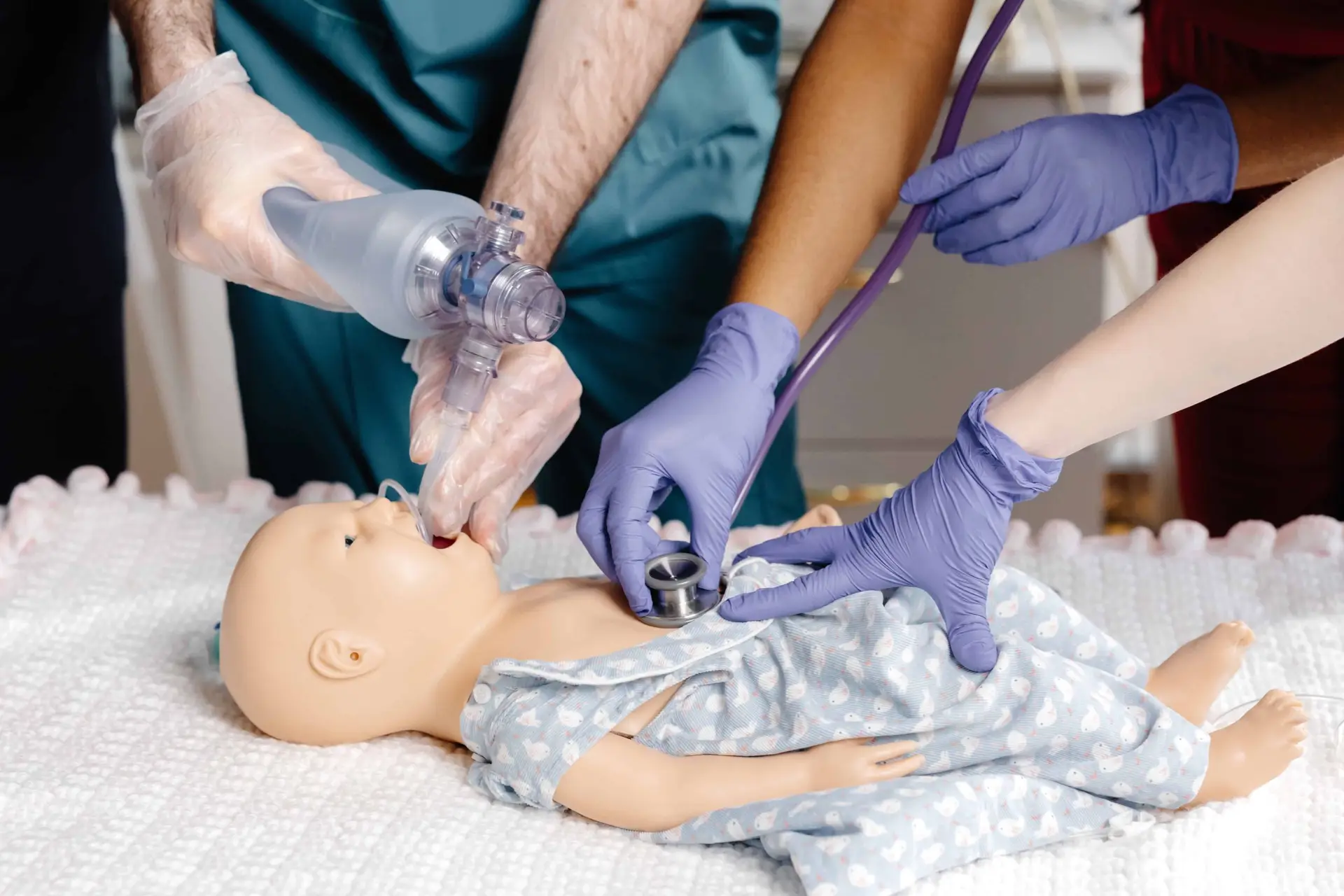
Healthcare education becomes more meaningful when participants have an opportunity to apply what they are learning.
CMEs Training Inc provides PALS in a stress-free environment using hands-on skills stations and scenario-based discussion. This allows participants to work through pediatric assessment, respiratory management, airway management, and other critical concepts with instructor guidance.
For providers evaluating where to complete their education, the learning environment should matter. The previous CMEs Training Inc guide to choosing a training center for healthcare professionals discusses the importance of selecting education that supports professional requirements as well as meaningful clinical preparation.
PALS is a good example of why that distinction matters. Pediatric emergencies can require rapid changes in assessment and treatment. Training should give healthcare professionals an opportunity to understand the reasoning behind those decisions and practice applying it.
Who Should Consider PALS Training
PALS is designed for healthcare professionals who participate in the management of respiratory or cardiovascular emergencies and cardiopulmonary arrest involving infants and children. The American Heart Association identifies professionals in emergency response, emergency medicine, intensive care, and critical care among the intended audience. This can include physicians, nurses, paramedics, and other professionals whose roles require PALS preparation.
The value of the course extends beyond satisfying an employer requirement. Providers who encounter pediatric patients need to understand how pediatric assessment and emergency response differ from adult care.
For nurses and other healthcare professionals moving into settings where pediatric patients are treated, PALS can also provide a more structured understanding of what to look for when a child begins to deteriorate.
Maintaining PALS Certification and Clinical Readiness
Successful completion of the American Heart Association PALS course results in a course completion card that is valid for two years.
CMEs Training Inc offers both PALS Initial Provider and PALS Update or Renewal courses. According to the course information provided by CMEs Training Inc, American Heart Association cards are issued at the class after successful completion of the course requirements.
Renewal should be viewed as more than an administrative deadline. Skills that are not used regularly can become less familiar over time. Returning to pediatric assessment, airway management, respiratory emergencies, shock, rhythm recognition, and team based scenarios gives providers an opportunity to reinforce knowledge that may eventually be needed with little warning.
PALS Training Prepares Providers for a Different Kind of Emergency
Pediatric emergencies require healthcare professionals to recognize subtle signs, understand age-related differences, communicate effectively, and make decisions quickly. Those demands are exactly why pediatric emergency preparation deserves its own focused training.
PALS provides a structured approach to recognizing and treating respiratory emergencies, shock, arrhythmias, and cardiopulmonary arrest in infants and children. It also reinforces the teamwork and individual clinical skills needed when a pediatric patient becomes critically ill.
At CMEs Training Inc, the emphasis on hands-on skills stations and scenario-based discussion helps connect those principles to practical decision-making. For healthcare professionals responsible for pediatric patients, that preparation can build greater confidence in recognizing deterioration and responding appropriately when the situation changes quickly.
Healthcare professionals who need help determining which course is appropriate can contact CMEs Training Inc for information about available training and upcoming classes.
Recent Comments